
Sovereignty: More Than Ink on Paper
Ever since I was a little girl, my Dad taught me that I was a sovereign citizen of the Diné. He took that responsibility seriously. He made sure I understood that sovereignty was not just a word spoken in meetings or written in history books… …sovereignty was our identity, our responsibility, and our right as Tribal people. Part of that teaching included reading federal regulations and Tribal laws. I cannot say I enjoyed sitting down with those little booklets he handed me as a young person. At the time, I certainly did not understand why it mattered so much to him that I read and
Sovereignty: More Than Ink on Paper
Ever since I was a little girl, my Dad taught me that I was a sovereign citizen of the Diné. He took that responsibility seriously. He made sure I understood that sovereignty was not just a word spoken in meetings or written in history books… …sovereignty was our identity, our responsibility, and our right as Tribal people. Part of that teaching included reading federal regulations and Tribal laws. I cannot say I enjoyed sitting down with those little booklets he handed me as a young person. At the time, I certainly did not understand why it mattered so much to him that I read and

In Indian Country, we don’t romanticize protection. We know what happens when systems fail, when standards soften, or when someone assumes “someone else” is watching. The consequences are not theoretical. They land on real families, real children, and real communities. Someone must stand at the gate, and I have watched

Why I Love Adjudication (Even When It’s Hard)
Some people love chocolate. Some people love storytelling. I love adjudication. Yes—adjudication, the art of taking all the messy, imperfect parts of a background check and making sense of it. Creating order out of chaos. That’s where I come alive. People often think background checks are about collecting data. But

Starting the New Year Right: A Time to Reset, Relearn, and Recommit
January has a way of inviting reflection. It’s a natural pause point—a moment to reset, regroup, and remind ourselves why we do the work we do. For those of us in background investigations, adjudications, and the oversight and support of these functions, our work is rooted in trust, responsibility, and

Yearly Reflection: Our Communities, Our Responsibility
As we close out another year, we’re reminded that reflection is more than looking back — it’s honoring the relationships, lessons, and commitments that shape our purpose. For PSC, 2025 was a year of growth, adaptation, and meaningful partnership. Despite shifting landscapes in Tribal funding, training access, and technology, our
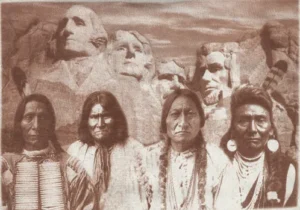
Building Sovereignty Through Knowledge
This month, I’m reflecting on what sovereignty means beyond legal status. For me — as an enrolled member of the Navajo Nation — sovereignty is about what we do with what we know. It’s not just a word on a tribal resolution or a federal document. It’s the action of building

You ever get one of those emails that just doesn’t feel right?We did — and it came from someone our team has emailed a hundred times before. A Tribal court clerk.No greeting. No “Hi,” no “Good morning,” nothing — just an attachment. And in our world, attachments mean business —